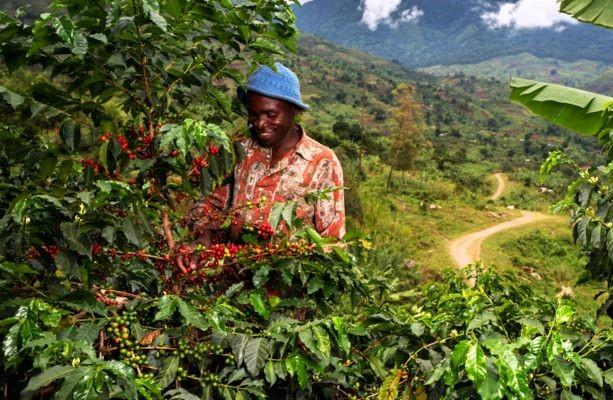
Agricultural Pricing Strategies: Maximizing Farm Revenue And Market Competitiveness
Executive Summary
The Agricultural Pricing Guide provides a structured framework for helping farmers, cooperatives, agribusinesses, food processors, and agricultural entrepreneurs develop profitable pricing strategies that maximize revenue while remaining competitive in changing markets. Pricing is one of the most important business decisions in agriculture because it directly influences profitability, cash flow, customer relationships, and long-term sustainability. This guide explains how production costs, market demand, competitor pricing, seasonal trends, product quality, and value-added services influence pricing decisions using an Agricultural Pricing & Revenue Optimization Framework.
Direct Answer
Agricultural pricing is the process of determining the selling price of agricultural products by evaluating production costs, market demand, customer value, competitor pricing, supply conditions, seasonal trends, and profit objectives. Effective pricing strategies balance profitability with market competitiveness while ensuring long-term business sustainability.
Core Topic Analysis: Why Agricultural Pricing Matters
A comprehensive Agricultural Pricing Guide begins with understanding that pricing is more than assigning a selling price to a crop or livestock product. Every pricing decision affects farm profitability, customer demand, inventory turnover, market positioning, and future investment capacity.
Many producers focus primarily on maximizing yields while giving limited attention to pricing strategy. However, a highly productive farm can still generate poor financial results if products are consistently sold below their true market value or below the full cost of production.
Agricultural markets are dynamic. Prices fluctuate because of seasonal production, weather events, consumer demand, transportation costs, international trade, currency movements, government policies, and competitor behavior. Successful producers monitor these factors continuously rather than relying solely on historical pricing patterns.
Effective pricing requires balancing financial objectives with customer expectations and prevailing market conditions. Businesses that understand pricing dynamics are generally better positioned to improve profitability while maintaining long-term customer relationships.
Successful pricing begins with understanding both the cost of production and the value customers place on agricultural products.
Pricing decisions influence profitability just as significantly as production efficiency.
Key Factors That Influence Agricultural Pricing
Several interconnected factors determine the appropriate selling price for agricultural products.
| Pricing Factor | Primary Influence | Business Impact |
|---|---|---|
| Production Costs | Determines minimum sustainable price | Protects profitability |
| Market Demand | Influences customer willingness to pay | Revenue potential |
| Supply Levels | Affects market competition | Price movement |
| Competitor Pricing | Establishes market benchmarks | Competitive positioning |
| Product Quality | Supports premium pricing | Higher margins |
| Seasonality | Creates pricing fluctuations | Marketing opportunities |
Understanding how these factors interact helps producers establish pricing strategies that remain competitive while supporting business growth.
Calculating the Cost of Production
Every pricing strategy should begin with a complete understanding of production costs. Selling below total production cost may increase revenue temporarily but often weakens long-term financial sustainability.
Production costs typically include:
- Land ownership or lease expenses.
- Seeds or breeding stock.
- Fertilizers and soil amendments.
- Crop protection products.
- Livestock feed and veterinary care.
- Labor costs.
- Machinery ownership and maintenance.
- Fuel and energy.
- Irrigation expenses.
- Storage, transportation, and marketing costs.
- Insurance and financing costs.
- Administrative overhead.
Accurate cost accounting establishes the minimum selling price required to maintain profitability while supporting informed pricing decisions.
Understanding Market-Based Pricing
Market-based pricing adjusts product prices according to prevailing supply and demand conditions. Producers monitor market trends and modify pricing as customer demand and competitive conditions change.
Market-based pricing is influenced by:
- Current commodity prices.
- Regional supply conditions.
- Consumer purchasing behavior.
- Seasonal demand.
- Export market opportunities.
- Wholesale and retail market activity.
This approach helps producers remain competitive while responding to changing market conditions.
Agricultural Pricing & Revenue Optimization Framework
| Pricing Stage | Key Question | Desired Outcome |
|---|---|---|
| Cost Analysis | What is the total cost of production? | Minimum profitable price established |
| Market Analysis | What prices are buyers currently paying? | Competitive pricing benchmark |
| Customer Evaluation | What value do customers recognize? | Value-based pricing opportunities |
| Pricing Strategy | Which pricing approach best fits the business? | Revenue optimization plan |
| Implementation | How will prices be communicated? | Market execution |
| Performance Review | Are pricing objectives being achieved? | Continuous improvement |
This framework enables agricultural businesses to establish structured pricing strategies that improve profitability while maintaining competitiveness.

Cost-Plus Pricing Strategy
Cost-plus pricing is one of the most widely used pricing methods in agriculture. Under this approach, producers calculate the total cost of production and add a target profit margin to establish the selling price.
The approach generally follows this process:
- Calculate total production costs.
- Add storage, transportation, and marketing expenses.
- Include administrative and financing costs.
- Determine the desired profit margin.
- Establish the final selling price.
Cost-plus pricing provides a structured method for protecting profitability, although it should also be compared with prevailing market prices to remain competitive.
Knowing your true production cost establishes the minimum price required for long-term business sustainability.
Value-Based Pricing
Value-based pricing focuses on the perceived value customers place on agricultural products rather than production costs alone. Products that offer superior quality, certifications, convenience, traceability, sustainability, or unique characteristics may justify premium pricing.
Examples of value drivers include:
- Organic certification.
- Premium product quality.
- Geographic origin.
- Sustainability certifications.
- Food safety assurance.
- Specialty crop varieties.
- Reliable supply agreements.
- Branded agricultural products.
Businesses using value-based pricing invest in differentiating their products while communicating those advantages clearly to buyers.
Customers often pay higher prices when they recognize measurable value beyond the product itself.
Competitive Pricing Analysis
Competitive pricing evaluates how similar agricultural products are priced within the market. Monitoring competitors helps businesses position products appropriately without relying solely on internal cost calculations.
Competitive analysis should examine:
- Regional market prices.
- Wholesale pricing.
- Retail pricing.
- Export market prices.
- Competitor product quality.
- Packaging and branding.
- Service offerings.
- Distribution methods.
Competitive pricing should support long-term profitability rather than encouraging unsustainable price reductions.
Agricultural Pricing Guide:
Seasonal Pricing Opportunities
Agricultural markets often experience seasonal price fluctuations because production volumes and consumer demand change throughout the year.
| Seasonal Factor | Typical Market Effect | Pricing Opportunity |
|---|---|---|
| Harvest Period | Higher supply | Potentially lower prices |
| Off-Season | Reduced supply | Potential premium pricing |
| Holiday Demand | Higher consumption | Increased selling opportunities |
| Export Windows | International demand shifts | Market expansion |
| Weather Disruptions | Supply shortages | Potential price increases |
| Storage Availability | Delayed marketing flexibility | Strategic selling periods |
Understanding seasonal market behavior allows producers to evaluate whether delayed marketing or alternative sales channels may improve overall returns.
Revenue Optimization Strategies
Pricing is only one component of revenue optimization. Agricultural businesses can improve financial performance by combining pricing strategies with broader operational improvements.
Revenue optimization strategies include:
- Improving product quality.
- Reducing production costs without compromising quality.
- Expanding into premium market segments.
- Diversifying customer channels.
- Developing value-added products.
- Improving storage and marketing flexibility.
- Strengthening customer relationships.
- Using market intelligence to identify pricing opportunities.
Long-term profitability generally results from combining efficient production with effective pricing and strong customer value.
Agricultural Pricing Assessment Checklist
| Assessment Area | Key Question | Desired Outcome |
|---|---|---|
| Production Costs | Are total production costs accurately calculated? | Reliable pricing foundation |
| Market Conditions | Are current market prices understood? | Competitive positioning |
| Customer Value | Can products justify premium pricing? | Improved revenue potential |
| Competition | How are competitors pricing similar products? | Strategic pricing decisions |
| Seasonality | Can timing improve selling prices? | Revenue optimization |
| Profitability | Does pricing support long-term business goals? | Sustainable financial performance |
Common Agricultural Pricing Mistakes
Many agricultural businesses reduce profitability through avoidable pricing decisions. Common mistakes include:
- Setting prices without calculating full production costs.
- Competing solely on price rather than product value.
- Ignoring seasonal pricing opportunities.
- Failing to monitor competitor pricing.
- Overlooking transportation and marketing expenses.
- Using last season’s prices without evaluating current market conditions.
- Discounting excessively to increase sales volume.
Successful pricing requires continuous evaluation of production costs, customer demand, market conditions, and competitive positioning. Businesses that regularly review pricing strategies are generally better positioned to maximize revenue while maintaining long-term profitability.

Agricultural Intelligence Insights
One of the most important principles in the Agricultural Pricing Guide is that pricing should be treated as a strategic business decision rather than simply matching competitors or following market averages. Sustainable profitability comes from understanding production economics, customer demand, market positioning, and the value delivered to buyers.
Agricultural Pricing Guide: Another common misconception is that lowering prices automatically increases profitability through higher sales volumes. While competitive pricing may increase demand in some situations, excessive discounting can quickly reduce profit margins, weaken brand perception, and create long-term pricing challenges. Successful agricultural businesses focus on delivering value rather than competing solely on price.
Pricing flexibility also improves resilience during changing market conditions. Producers who monitor commodity markets, seasonal demand, production forecasts, transportation costs, and consumer purchasing trends are generally better positioned to adjust pricing strategies before market conditions significantly affect revenue.
Technology is transforming agricultural pricing decisions through digital commodity exchanges, real-time market reporting services, precision production records, farm management software, customer relationship management systems, and predictive market analytics. These tools help producers make data-driven pricing decisions while responding more quickly to changing market opportunities.
Profitable pricing begins with understanding costs but succeeds by understanding customer value and market dynamics.
Strong pricing strategies balance competitiveness with sustainable profitability rather than focusing on short-term sales volume alone.
The most successful agricultural businesses review pricing continuously because markets, costs, and customer expectations are constantly changing.
Practical Agricultural Pricing Scenarios
Scenario 1: Premium Organic Vegetable Production
A vegetable farm calculates its full production costs before entering local farmers’ markets. Instead of matching conventional vegetable prices, the business highlights certified organic production, freshness, local sourcing, and sustainable farming practices. Value-based pricing allows the farm to maintain stronger profit margins while attracting customers willing to pay for premium products.
Scenario 2: Grain Marketing Strategy
A grain producer monitors seasonal commodity price trends and evaluates storage costs after harvest. Rather than selling immediately during peak supply, the farmer stores grain and markets it later when regional prices improve sufficiently to offset storage expenses, resulting in increased net revenue.
Scenario 3: Dairy Cooperative Pricing Review
A dairy cooperative evaluates rising feed costs, transportation expenses, and processing costs alongside competitor pricing and consumer demand. By reviewing pricing regularly and improving operational efficiency, the cooperative maintains competitive pricing while protecting member profitability.
Action Checklist: Agricultural Pricing Strategy
- Calculate complete production, storage, transportation, and marketing costs before setting prices.
- Monitor local, regional, and international market prices regularly.
- Evaluate customer demand and willingness to pay for product quality and additional value.
- Analyze competitor pricing without relying solely on competitor strategies.
- Identify seasonal marketing opportunities that may improve selling prices.
- Consider value-added processing, certifications, or branding to support premium pricing.
- Maintain accurate financial records to evaluate pricing performance over time.
- Review pricing strategies whenever production costs or market conditions change significantly.
- Diversify marketing channels to reduce dependence on a single buyer or pricing structure.
- Continuously balance competitiveness with long-term profitability and business sustainability.
Frequently Asked Questions
What is agricultural pricing?
Agricultural pricing is the process of determining selling prices for agricultural products by evaluating production costs, market demand, customer value, competitor pricing, seasonal conditions, and profitability objectives.
Why is pricing important in agriculture?
Pricing directly affects profitability, cash flow, competitiveness, customer demand, and long-term business sustainability. Even productive farms can experience financial challenges if products are priced below sustainable levels.
What is cost-plus pricing?
Cost-plus pricing establishes selling prices by calculating total production costs and adding a desired profit margin. It provides a structured approach to protecting profitability while supporting informed pricing decisions.
What is value-based pricing?
Value-based pricing sets prices according to the value customers perceive in a product rather than relying solely on production costs. Premium quality, certifications, traceability, branding, and sustainability may support higher prices.
How does seasonality affect agricultural prices?
Agricultural prices often decline during harvest when supply is abundant and may increase during off-seasons or periods of limited availability. Understanding seasonal trends helps producers identify more favorable marketing opportunities.
Should farmers monitor competitor prices?
Yes. Competitor pricing provides useful market benchmarks, but pricing decisions should also consider production costs, customer value, quality differences, and overall business objectives.
How often should pricing strategies be reviewed?
Pricing strategies should be reviewed regularly throughout the production and marketing cycle because production costs, demand, competition, and market conditions change continuously.
Continue
Conclusion
The Agricultural Pricing Guide demonstrates that effective pricing is one of the most powerful drivers of long-term farm profitability. While production efficiency remains essential, pricing decisions determine how much value a business captures from its products. Farmers and agribusinesses that understand production costs, customer demand, competitor positioning, seasonal market trends, and product differentiation are better equipped to maximize revenue while remaining competitive.
A successful pricing strategy combines accurate cost analysis, continuous market intelligence, customer value assessment, and regular performance reviews. Rather than relying on a single pricing method, businesses should adapt their pricing approach as production costs, market conditions, and customer expectations evolve. This flexibility helps maintain profitability while strengthening long-term customer relationships.
Pricing should become an ongoing management function rather than a one-time marketing decision. Businesses that review prices regularly, monitor market signals, and invest in value creation through quality improvements, certifications, branding, and efficient operations are generally better positioned for sustainable growth in increasingly competitive agricultural markets.
Successful pricing balances production costs, market demand, and customer value to create sustainable profitability.
Revenue growth comes not only from producing more, but from pricing products strategically and communicating their value effectively.
The strongest agricultural businesses continuously refine pricing strategies as markets, costs, and customer expectations evolve.